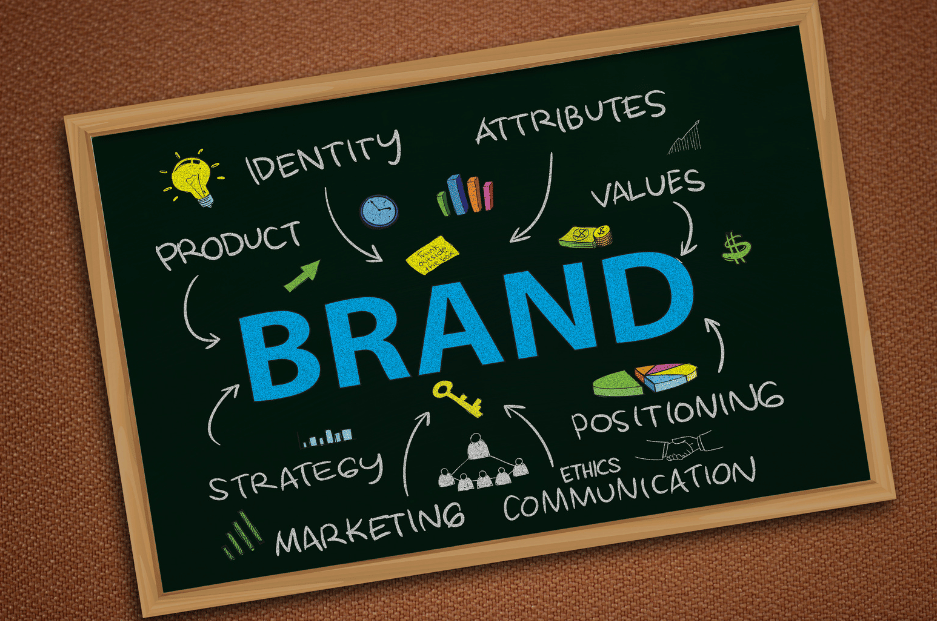
Apple and Tesla are two companies that offer more expensive products than the majority of their competitors. In addition, both avoid using pricing in their branding and instead emphasize the value their products provide. Regardless of where you see these companies, the message and feeling they offer are consistent. That, in essence, is the foundation of good branding. Businesses must now account for the ever-expanding online marketplace, as they transition from print ads to radio commercials to television advertisements. Once you have perfected your digital branding, you may anticipate your company’s online growth to accelerate.
What is digital branding?
Digital branding promotes online communication between a company and its intended audience. This can be accomplished by delivering an excellent user experience (UX) on your website or by providing prompt and effective customer service. If a brand is difficult to find in today’s online world, it is safe to assume it does not exist in the eyes of many modern consumers.
What Is the Definition of Digital Branding in Digital Marketing?
Digital branding, like traditional branding, is informing your target audience about your company’s mission, values, beliefs, why they should select you, and what they can anticipate from you. While branding refers to the process of developing distinctive brands, a brand is how your target customer perceives your company. A brand identity, on the other hand, is made up of several aspects such as a logo, a website, and social media profiles that help you deliver your message. Digital/online branding tries to promote online awareness and interaction in a variety of ways. These include, but are not limited to: digital advertising, search engine optimization (SEO), guest blogging, online reviews, and webinars.
Digital branding vs digital marketing
Digital marketing often entails drawing attention to a specific product or service. On the other side, digital branding emphasizes the values that a company brings to the table. Digital branding typically takes a longer-term approach than digital marketing and is not dependent on whether or not you continue to provide a certain product or service. The brand you ultimately create is what your target customer remembers when they interact with your brand, and it should have a high recall value. While digital marketing is effective for short-term outcomes, with proper branding, you can expect to develop long-term relationships with your clients. Simply said, branding is more than just using digital marketing methods to raise brand awareness.
Benefits of Digital Branding
If you use a smart branding approach, you may expect to experience great results. After all, the reason businesses of all sizes are recognizing the value of online branding in digital marketing is not just to expand their consumer base, but also to keep existing customers. Businesses increasingly conduct considerable research into the demands of their target customers in order to meet them appropriately, thereby building trust and confidence. Benefits of online branding include:
- A multichannel strategy. Online/digital branding allows you to take a multichannel approach. Websites, blogs, social networking platforms, emails, online adverts, and online forums are some of the common online tools from which to choose. While you can distribute the same message across numerous channels, you also have the option of sending personalized messages.
- Competitive differentiation. Effective digital branding allows you to highlight how your brand differs from its competitors. This depends on what your target audience values, whether it’s affordability, functionality, customer service, or your overall brand. Once you’ve persuaded your target audience about what distinguishes your brand from competitors, recognition will follow.
- Developing connections. When you use a smart digital marketing plan, you may make your existing and potential customers believe you’re connecting with them directly. This is because you may interact with them on platforms that they generally use to communicate with their family and friends. Furthermore, by sending tailored, engaging, and useful communications, you can convert clients into brand advocates.
- The time factor. With your digital brand optimization initiatives in place, you can enable your customers to communicate with your company in real time. This allows you to rapidly handle client problems and provide excellent customer experiences. If any of your internet initiatives go viral, you can expect to receive instant visibility that money cannot buy.
Elements of Digital Branding
Digital branding is broad in scope and uses a variety of aspects. Regardless of whatever digital branding firm you choose to work with, you’ll discover that it relies on a variety of criteria to achieve optimal outcomes. This includes:
- A logo represents a brand’s identity. In the digital realm, this is a visual depiction of your brand. Among the distinctions between a logo and a brand, the primary goal of a logo is for your audience to recognize it easily, rather than to deliver a message.
- Creating an impact is a crucial aspect of digital brand development that is directly related to your brand’s image. Maintaining goodwill throughout several social media channels, as well as adding video testimonials and embedding reviews on your website, can help you reach this goal.
- Online channels. Using various internet channels aids both digital branding and marketing efforts. However, this necessitates identifying your target audience, determining the brand image you want to project, and choosing the appropriate platforms.
- Website and social media. Your website and social media accounts serve to build your brand’s personality by incorporating several digital branding concepts. This practice should be consistent across all mediums.
- From a digital branding aspect, this relates to how your brand communicates with its target audience and differentiates itself from competitors. It entails addressing how you contact your target audience, learning about their interests, providing answers to their problems, soliciting feedback on your products/services, and effectively closing interactions.
- Brand extension. If you’ve mastered internet branding strategies and established yourself as an authority or market leader in any niche, you might consider leveraging your brand equity and expanding your brand by releasing new products/services. Coca-Cola, for example, has come a long way since its humble beginnings with only one beverage.
- Analyzing if your digital branding initiatives are achieving the expected effects is critical. For example, have you properly optimized your customer’s journey? While you should invest in digital branding, you need also learn how customers perceive their experiences so that you can adjust your strategy accordingly.
Digital/Online Branding Techniques
When you look at the greatest online branding examples, you’ll notice that you need to approach your digital and offline branding activities in a consistent manner. However, you will need to develop two distinct ways to present your tale and engage with your intended audience. Businesses that have previously underutilized or overlooked the digital landscape must increase their digital branding efforts if they want to make advances in the online realm. A effective digital branding strategy requires attention to numerous factors before you can expand your business online.
Identifying Business Goals
Identifying your business goals is essential for developing an effective digital branding strategy. These may include raising awareness, recruiting new clients, or distinguishing your brand from the competition. For example, if your goal is to acquire new consumers, you should track how many leads become paying customers.
Target Audience Research
Your digital branding efforts will be ineffective unless you first define your target demographic. If necessary, divide it into groups. Create user personas, learn about their lifestyles, and define their wants in relation to your business. When deciding on your digital branding strategy, consult these resources. Identify buyer behavior and which online platforms they prefer the most.
Competitor Analysis
Another essential aspect that emerges when reviewing the best online branding in digital marketing examples is the necessity to consider what the top players in your area are doing. This is because it helps you focus on what your brand does differently, and possibly better. While your brand may not be the only one offering the items or services in question, it does have its own team members, skill sets, and processes. What you must do is establish what sets your brand apart from its competition.
Brand Voice
You must adopt a consistent voice when expressing your message across several channels so that your target audience receives it consistently, regardless of the platforms used. Because your brand’s voice has a significant impact on how your firm is regarded, you must pay close attention to how it is established to ensure that you are making the intended impression.
Brand Positioning and Identity
Mixed messaging is prone to misunderstanding, thus effective brand positioning necessitates synchrony between your digital and offline branding initiatives. Additionally, your brand’s identity must be consistent across all platforms. For example, does your brand’s internet presence evoke the same sensations as its offline presence? Remember that brand identification goes beyond the usage of visual components. It is also determined by the effectiveness of your content strategy, as well as your brand’s general style and tone.
Identifying assets
Good digital branding strategies take into account what a brand already has. Team members, technology, services, goods, features, and media are some examples, but there are others. Once you’ve identified what you have, decide what you don’t need and focus on what would work best for your target audience.
Brand Building
Digital brand creation promotes efficacy and scalability. When compared to traditional offline channels, increasing a brand’s visibility online is easier and less expensive. Consider the cost and effectiveness of networking at live events or through social media, or delivering an in-person lecture vs a webinar. Identifying your target audience allows you to determine which digital channels to leverage.
Mapping
When it comes to efficient internet marketing branding, it is critical to associate each piece of content, service, or feature with a certain segment or customer. This helps to give the correct solution at the right time during a customer’s journey. While brands have the potential to plan such journeys, from the perspective of the client, it may appear to be a matter of luck. Your marketing plan may be influenced by where your target customer interacts with your brand the most during their trip. For example, if you discover that your target audience spends a significant amount of time on Instagram, you may profit from focusing your social media marketing efforts on that site.
Analytics
Monitoring the effectiveness of your digital branding initiatives is simpler than tracking the impact of traditional approaches. Several internet applications make this process much easier by including built-in analytics. For example, tracking visitor activity on your website is rather simple if you know how to do it, as is social media involvement. Tracking, assessing, and making necessary adjustments are all bound to increase effectiveness. Furthermore, because digital branding is easier to monitor and control, modifications are made more frequently.
Conclusion
You understand the importance of online branding, but you must also recognize that getting desired results necessitates research and an understanding of how to proceed with the process. No matter whatever internet branding tactics you use, you must first learn more about your target customer, determine the value your brand delivers, and identify any potential brand obstacles, all while emphasizing the importance of developing your company’s identity. Keep in mind that consumers today look beyond the items and services they use, and their perceptions of companies include emotions, memories, expectations, and more. When done correctly, online branding has the ability to provide excellent results, which is why it is usually preferable to delegate it to the professionals. If you want to learn more about how this can benefit your business, talk to someone from a trustworthy digital branding agency.