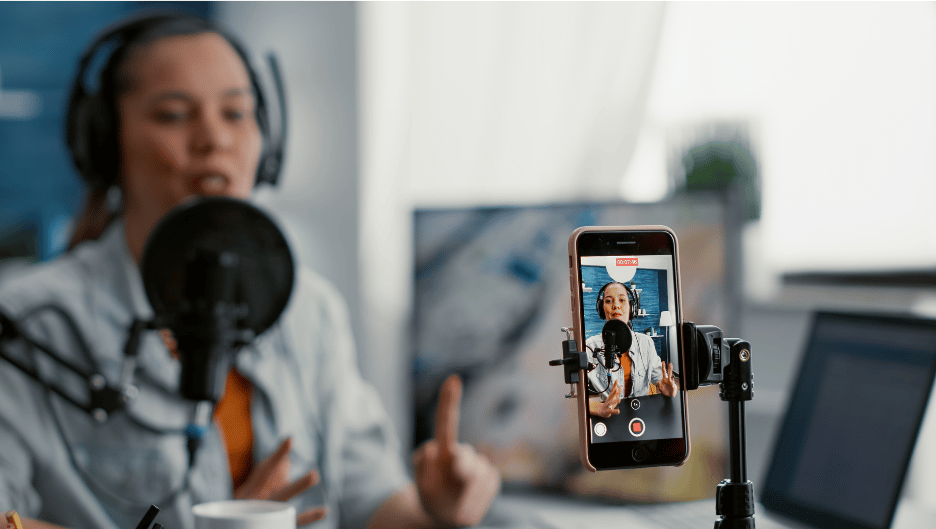
In the digital age, the rise of social media has not only revolutionized communication but has also given birth to a new economic powerhouse: the influencer economy. Social media influencers – individuals with substantial followings on platforms like Instagram, YouTube, TikTok, and Twitter – are now key players in modern marketing. These influencers, through their engaging content and loyal audiences, have the power to shape consumer behavior and drive brand success. In this article, we’ll delve into how social media stars are reshaping the marketing landscape, backed by data and insights, and how Digi Tech Resource Group, LLC can help businesses harness this dynamic marketing strategy.
The Rise of the Influencer Economy
Historical Context and Growth
The concept of influencer marketing isn’t new. It traces its roots back to celebrity endorsements in traditional media. However, the advent of social media platforms in the early 2000s democratized influence, allowing ordinary individuals to amass large followings. By 2010, influencer marketing began to gain traction as a legitimate strategy for brands looking to reach new audiences authentically.
Market Size and Economic Impact
The influencer marketing industry has grown exponentially over the past decade. According to a report by Business Insider, the market size of influencer marketing was valued at $8 billion in 2019 and is projected to reach $15 billion by 2022. This rapid growth highlights the increasing reliance of brands on influencers to connect with consumers in a more personal and relatable manner.
Why Influencers Matter
Authenticity and Trust
One of the primary reasons influencers are so effective is the authenticity and trust they build with their audiences. Unlike traditional advertisements, influencer content often feels more organic and genuine. A study by Nielsen found that 92% of consumers trust recommendations from individuals over brands, making influencer endorsements highly persuasive.
Engagement and Reach
Influencers have a unique ability to engage their followers through interactive content such as stories, live streams, and direct messages. This high level of engagement often translates to better reach and conversion rates. For example, Instagram, one of the leading platforms for influencer marketing, reports that over 200 million users visit at least one business profile daily.
Demographics and Targeting
Influencers can cater to niche markets and specific demographics, allowing brands to target their desired audience more effectively. For instance, a fashion brand can collaborate with a fashion influencer whose followers are predominantly young, fashion-conscious individuals. This precise targeting enhances the efficiency and ROI of marketing campaigns.
The Different Types of Influencers
Mega-Influencers
Mega-influencers are typically celebrities with over a million followers. Their vast reach makes them suitable for large-scale brand awareness campaigns. However, their services come at a high cost, and their endorsements may sometimes lack the authenticity of smaller influencers.
Macro-Influencers
Macro-influencers have between 100,000 to 1 million followers. They often have a significant impact on their niche and can drive considerable engagement. Brands often collaborate with macro-influencers for more targeted yet wide-reaching campaigns.
Micro-Influencers
Micro-influencers have between 1,000 to 100,000 followers. Despite their smaller following, they usually have higher engagement rates and a more loyal audience. A study by Markerly revealed that micro-influencers with 10,000 to 100,000 followers have a 2.4% engagement rate, compared to 1.7% for those with 1 million followers.
Nano-Influencers
Nano-influencers have fewer than 1,000 followers but often have a highly engaged and loyal audience. They are ideal for hyper-local campaigns and for brands looking to build grassroots-level credibility.
Platforms Shaping the Influencer Economy
Instagram remains the dominant platform for influencer marketing. With features like Stories, IGTV, and Shopping, influencers can create diverse content and directly drive sales. According to a report by Influencer Marketing Hub, 79% of brands predominantly use Instagram for influencer campaigns.
YouTube
YouTube influencers, or vloggers, are known for their in-depth and long-form content. This platform is particularly effective for product reviews, tutorials, and unboxing videos. A study by Think with Google found that 70% of teenage YouTube subscribers trust influencer opinions over traditional celebrities.
TikTok
TikTok has rapidly become a hub for influencer marketing, especially among younger audiences. Its short, engaging videos make it ideal for viral marketing campaigns. Data from Influencer Marketing Hub shows that TikTok’s engagement rates are significantly higher than other platforms, with micro-influencers boasting an average engagement rate of 17.96%.
Twitter and Other Platforms
While Instagram, YouTube, and TikTok dominate the influencer landscape, platforms like Twitter, Snapchat, and LinkedIn also play crucial roles, especially for specific niches and professional audiences. Twitter, for example, is effective for real-time engagement and brand conversations.
Case Studies: Influencer Marketing Success
Daniel Wellington
The Swedish watch brand Daniel Wellington is a prime example of influencer marketing success. By collaborating with thousands of micro-influencers, the brand achieved rapid global recognition and exponential growth in sales. This strategy helped them grow their Instagram following to over 5 million and achieve over $200 million in revenue in a few short years.
Gymshark
Gymshark, a fitness apparel brand, leveraged the power of fitness influencers to build a loyal customer base. By partnering with fitness enthusiasts and bodybuilders, Gymshark created a community-driven brand. This approach not only boosted their social media presence but also translated to a 200% increase in annual revenue.
Morphe Cosmetics
Morphe Cosmetics utilized beauty influencers on YouTube and Instagram to drive product launches and brand awareness. Collaborations with influencers like James Charles and Jaclyn Hill helped the brand reach millions of potential customers and establish itself as a leading name in the beauty industry.
Challenges and Considerations
Authenticity and Transparency
While influencer marketing offers numerous benefits, maintaining authenticity and transparency is crucial. The Federal Trade Commission (FTC) requires influencers to disclose sponsored content to ensure transparency with their audience. Brands must ensure compliance to avoid legal issues and maintain trust.
ROI Measurement
Measuring the return on investment (ROI) of influencer campaigns can be challenging. Brands need to track various metrics such as engagement rates, click-through rates, and conversion rates to gauge the effectiveness of their campaigns. Tools like Google Analytics, Hootsuite, and HubSpot can help in tracking these metrics.
Fake Followers and Fraud
The issue of fake followers and influencer fraud poses a significant challenge. According to a report by Cheq, influencer fraud cost brands $1.3 billion in 2019. Brands must conduct thorough research and use tools like HypeAuditor and Social Blade to verify the authenticity of influencers before collaboration.
Future Trends in Influencer Marketing
Growth of Nano and Micro-Influencers
The trend of brands collaborating with nano and micro-influencers is expected to grow. Their high engagement rates and authentic connections with their audience make them valuable partners for brands looking to build trust and loyalty.
Rise of Virtual Influencers
Virtual influencers—computer-generated characters with social media accounts—are becoming increasingly popular. For example, Lil Miquela, a virtual influencer, has over 3 million followers on Instagram and collaborates with major brands. This trend offers a unique, controllable, and innovative way for brands to engage with audiences.
Emphasis on Video Content
Video content, especially short-form videos on platforms like TikTok and Instagram Reels, will continue to dominate influencer marketing. Videos are engaging, easily consumable, and shareable, making them ideal for capturing audience attention and driving brand messages.
Data-Driven Influencer Marketing
The use of data and analytics to drive influencer marketing strategies will become more prevalent. Brands will leverage data to identify the right influencers, optimize campaign performance, and measure ROI more accurately. Platforms like Digi Tech Resource Group, LLC provide advanced analytics tools to help businesses make data-driven decisions in their influencer marketing efforts.
How Digi Tech Resource Group, LLC Can Help
Navigating the complex landscape of influencer marketing requires expertise and strategic planning. Digi Tech Resource Group, LLC offers comprehensive services to help businesses harness the power of influencers effectively. From identifying the right influencers and crafting engaging campaigns to leveraging advanced analytics for performance measurement, Digi Tech Resource Group, LLC provides end-to-end solutions tailored to your business needs.
Services Offered
- Influencer Identification: Using data-driven tools to find influencers who align with your brand values and target audience.
- Campaign Management: Crafting and executing influencer marketing campaigns that resonate with your audience and achieve your marketing goals.
- Performance Analytics: Leveraging advanced analytics to measure campaign success, optimize strategies, and maximize ROI.
- Compliance and Transparency: Ensure all campaigns adhere to legal guidelines and maintain transparency with your audience.
Conclusion
The influencer economy is a powerful force in modern marketing, offering brands a unique way to connect with consumers authentically and effectively. By understanding the dynamics of influencer marketing, leveraging the right platforms, and addressing challenges proactively, businesses can tap into this thriving economy to drive growth and success. Partnering with experts like Digi Tech Resource Group, LLC can further enhance your influencer marketing efforts, ensuring your campaigns are strategic, compliant, and data-driven. Embrace the influencer economy and unlock new opportunities for your brand in the digital age.